
Understanding Korean Holidays: Traditions, Meanings, and Celebrations
What will holidays tell you of the soul of any nation? Korean holidays provide an interesting glimpse into a centuries-old tradition, value to the family and their culture. Be it in lunar festivals which celebrate the ancestors or contemporary events commemorating independence, each of the holidays says something deep about the Korean society. Getting familiar with such events assists visitors to be related to the past and present of Korea.
Korean holidays combine the ancient traditions with modern life. Others are thousands of years old, in the agricultural societies. Others remember more recent historical events. They build a cultural calendar by which they determine the rhythm of Korean life. The knowledge of these special days makes a visit to Korea even better.
The Cultural Significance of Korean Holidays
To know Korean holidays, it is necessary to go beyond the very celebrations themselves. These holidays disclose the most important Korean values that have been with the time. Most traditional holidays are based on family solidarity, reverence to ancestors, and harmony with seasons.
A Calendar Shaped by Lunar Cycles and History
Korea has two calendars (solar and lunar) to celebrate holidays. The lunar calendar is followed by major traditional holidays, such as Seollal and Chuseok. This gives the solar calendar varying dates annually. In the meantime, historical holidays such as Independence Movement Day are constant.
This two-calendar system is indicative of the compromise of ancient and modern nation-building within Korea. Lunar calendars were required by agricultural societies to keep track of planting and harvest seasons. Modern Korea came with memorial holidays like independence, child, and cultural victories like the Hangeul.
Common Themes Across Celebrations
Various Korean holidays are brought together as a few themes even though they have diverse origins. Both Seollal and Chuseok have the ancestral ceremonies during which they praise their ancestors. Food is also a major attraction in all festivals, and certain food items have symbolic meanings. The importance of family gatherings is still crucial despite the spatial scattering of relatives in cities with the modern world.
In addition, Korean resilience is presented through these holidays. Most of the traditions outlived the Japanese colonial rule and the Korean War. The current festivals maintain ancient traditions and they have adapted to new ways of life today. This is a continuity which links the modern Koreans to the past.
Seollal: Korean Lunar New Year
Seollal coincides with the first day of the lunar calendar which will be either at the end of January or early February. This is a Korean holiday that signifies the start of a new year based on the traditional calendars. Family members come together in the entire country to honor the ancestors and have a joint celebration.
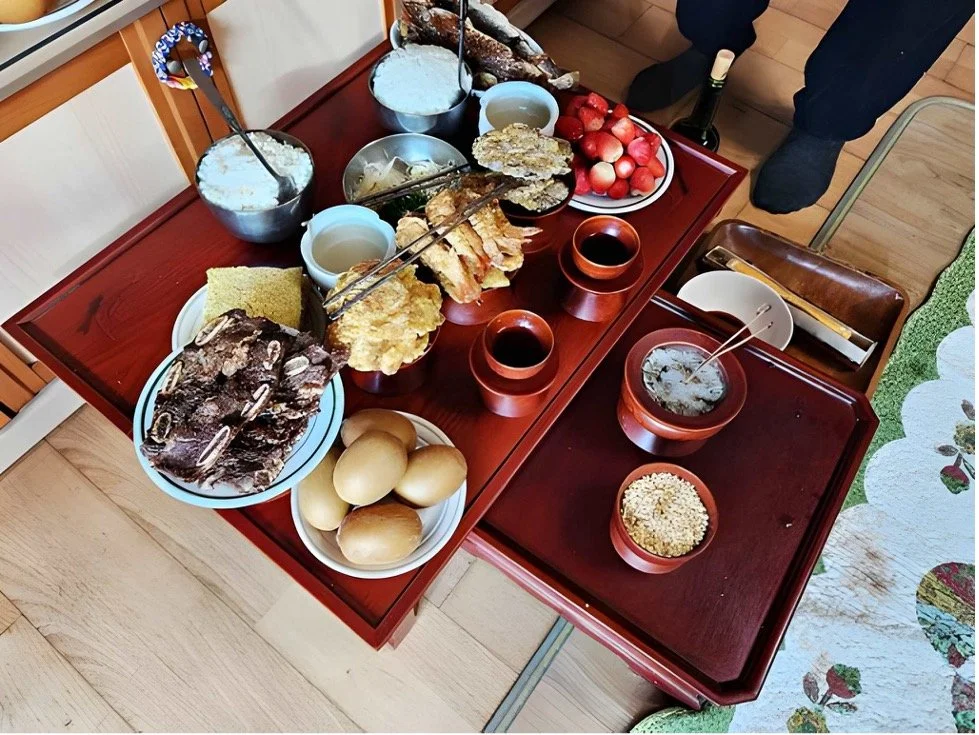
The day starts with charye (ancestral memorial). Families cook special dishes and give ritual bows. Children then do sebae, deep bows towards older people and wish them good health. Children are returned with money as kindness by the elders which is wrapped in small envelopes.
The obligatory Seollal food is Tteokguk, rice cake soup. According to Koreans, by drinking this soup one year is added to your age. The white color is a representation of purity and new start. Families also engage in games such as yutnori and fly kites.
These traditions are still upheld during modern celebrations. Nevertheless, the young generations occasionally minimize the ceremonies or hold celebration in restaurants. Large cities become incredibly silent with millions of people going to their hometowns. Thus, tourists ought to anticipate challenges in transport and closure of shops during this season.
Chuseok: Korea's Thanksgiving
Chuseok happens on 15th day of the 8th lunar month that is usually in September or October. It is a Korean holidaythat is dedicated to the autumn harvest and honors ancestors. It is also known as “Korean Thanksgiving” as the families come together to feast and show gratitude.
The festivals last three days. Families perform charye using new harvests. They also travel to the graves of their ancestors providing seongmyo, cleaning the graves and bringing food. Folk music such as ganggangsullae, which is a circle dance, unites communities.
Chuseok cuisine is characterized by Songpyeon or half-moon rice cakes that contain sweet ingredients. These are made together by the families. Jeon, savory pancakes and different ingredients also command every table. The feast is made complete with fresh fruit of the autumn harvest.
Chuseok is the occasion that causes the greatest mass migration in Korea. Roads turn into parking lots as everybody drives at once. This is therefore the worst period that tourists can be in Korea. Book as early as possible in case visiting during Chuseok.
Buddha's Birthday: Festival of Lanterns
The Birthday of Buddha is observed on the 8th of the 4th lunar month of the year, which is typically in May. The holiday is an observance of the birth of Gautama Buddha in Koreans. Even non-Buddhists join the impressive events that light up Korean cities.
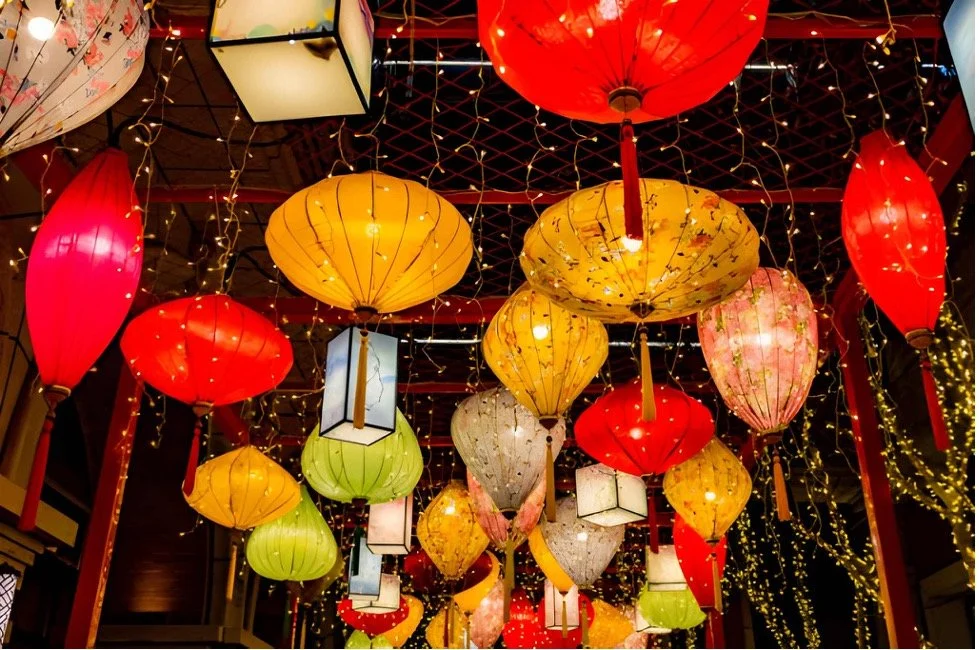
Lantern festivals turn areas and temples into colorful festivals. There are thousands of lotus-shaped lanterns suspended on trees and building. The biggest one is held at Jogyesa Temple in Seoul, where people can also make their own lanterns. Evening lantern parades produce magic atmospheres all over Korea.
The temples provide free meals and cultural activities. Most of the Koreans go to temples irrespective of religious affiliations. It is due to this openness that any visitor can attend the Birthday of Buddha. This holiday is just worth the visual spectacle.
Independence Movement Day: National Pride
The 1st of March marks the 1919 independence movement against the Japanese colonial rule. This is a very patriotic Korean holiday. Koreans have not forgotten the protesters who organized peaceful demonstrations only to be brutally suppressed in their attempt to acquire independence.
Memorial celebrations are conducted around the country. The president commemorates official events at Tapgol park in Seoul where the original declaration was read. Korean flag is raised by citizens. Schools and media have special programming on this turning point in the history of Korea.
This is a holiday that links modern Korea with their fight towards sovereignty. Such history enables visitors to value Korean national identity. In addition, it describes the intricate relationship between Korea and Japan that still exists.
Children's Day: Celebrating Youth
May 5th is a celebration of the children all over Korea. The Korean holiday began in the 1920s, as the activists pursued the rights, as well as education of children. It is one of the happiest celebrations in Korea today.
Parents spend the whole day with the children. Families spend time in amusement parks, zoos and special events. All the popular destinations are so congested since all families have the same thought. Most parents present gifts, and take children out to special meals.
This festival is associated with Confucianism values of education and family continuity. Children are the future generation, and they deserve special attention and investment. Thus, the Korean society has massive focus on the wellbeing and development of children.
Traditional and Minor Holidays
Ancient Celebrations
Taking place on the fifth day of the fifth lunar month, Dano has its ancient shamanistic origins. The women would bathe their hair in water with iris. Men fought in ssireum which was the customary wrestling. In some of the areas these practices are still in existence though less evident nowadays.
Sambok Days are the hottest days of the summer. Koreans also counter heat with heat by consuming samgyetang, ginseng chicken soup. The practice represents the old beliefs of balancing body temperature. Dining places that make this specialty are packed during sambok.
Modern Observances
The National Foundation Day (October 3rd) is the day that commemorates the mythical founding of Korea by Dangun in 2333 BCE. The Hangeul Day (9th of October) is celebrated on the day of King Sejong's invention of the Korean alphabet. Both strengthen the national identity and cultural pride.
Western influence can be found in commercial holidays such as White Day and Pepero Day. Youngsters present gifts during such events. These newer events fill alongside old traditions of Korean holidays, forming a rare mix between the old and the new.
What Korean Holidays Reveal About Culture
Core Values in Celebration
Korean holidays always pay special attention to family relations and respect towards ancestors. Seollal and Chuseok focus on family reunions and memorial ceremonies. It is a sign of strong Confucianism regarding filial piety and generational continuity.
The harmony of the seasons can be observed in the holidays calendar. Food traces of agriculture are still present in food festivals and food seasons. Even the modernized Koreans in urban areas still have such ties to the rhythm of nature.
During celebrations, food is the cultural glue. There are certain dishes that have a symbolic meaning on each of the holidays. The cooking and eating of such foods facilitate the familial connections and cultural heritage.
Practical Tips for Travelers
Planning Around Holidays
Korean major holidays such as Seollal and Chuseok pose challenges to travel. Transportation is totally filled. Numerous stores and restaurants are shut down. Nevertheless, these seasons provide distinctive cultural experiences, as well. The vacant cities experience varied moods, and certain palaces offer special shows.
Make all the bookings several months before coming during a big holiday. Otherwise, plan the travels around these dates to make it easier. Minor holidays do not have any big disturbances and give an insight into the culture.
Respectful Participation
The Koreans are open to foreign attention to their festivals. Buddha Birthday lantern festivals are very active in encouraging visitors to be part of it. There are temples which provide temple stay programs during holidays. Korea Tourism Organization says that there are numerous cultural centers that offer special holiday programs to international visitors.
Observe quietly if you observe family ceremonies. Learning simplest greetings in Korea as regards to holidays demonstrates cultural appreciation and respect.
Conclusion
Korean holidays incorporate history, spiritualism and family values, creating significant celebrations. Since Seollalhas its ancestral admiration and Children Day has its festive feast, every holiday demonstrates a variety of aspects of Korean culture. These special days keep the traditions alive, but update themselves to the current lifestyle creating a living relationship between the past and the present.
Knowledge of Korean holidays makes surface tourism a real cultural experience. You might schedule your visit to Korea to enjoy such celebrations, but knowing what the celebrations signify will make your Korean trip more meaningful. These holidays are not only the entries on a calendar, but embodiments of values, struggles, and joys that have become the staple of the Korean identity and can be traced through the generations.
Frequently Asked Questions (FAQs)
What's the difference between Seollal and Chuseok?
Seollal is a winter celebrating of the lunar new year and Chuseok is a harvest festival in autumn; both of them are based on ancestral rites and family reunions, but with some different traditional dishes and activities.
Can tourists participate in Korean holiday celebrations?
Yes! The Birthday lantern celebrations and the official occasions of Buddha attract the visitors, but the holiday of Seollal and Chuseok belong to the family time, but some cultural centers also possess the special programs to show the tourists.
Why do Koreans eat specific foods on certain holidays?
There are symbolic meanings associated with traditional foods of the holidays; tteokguk increases your life one year, songpyeon means plenty, and samgyetang balances energy in the body, which directly links food with cultural beliefs and seasonal harmony.
What happens to businesses during major Korean holidays?
During Seollal and Chuseok the majority of companies close down 2-3 days, transportation is overloaded and millions of people come to the hometowns, these are difficult yet natural times to visit Korea.
Which Korean holiday is best for tourists to visit?
The Birthday of Buddha presents amazing lantern festivals, which are available to all visitors and Independence Movement Day also presents a great opportunity of exploring Korean culture without significant business interference, thus both are great options to experience Korean traditions.