
Korea Travels - WOWPASS vs T-money Card vs Climate Card
If you’re heading to South Korea (especially around Seoul, Busan or Incheon), you’ll likely encounter various travel cards/transportation cards. In this article I compare three popular options: WOWPASS, T‑money Card, and the Climate Card. I’ll walk you through what each one is, what they do, where they’re best, and which one might be the best for your style of travel.
1. What is each card?
WOWPASS
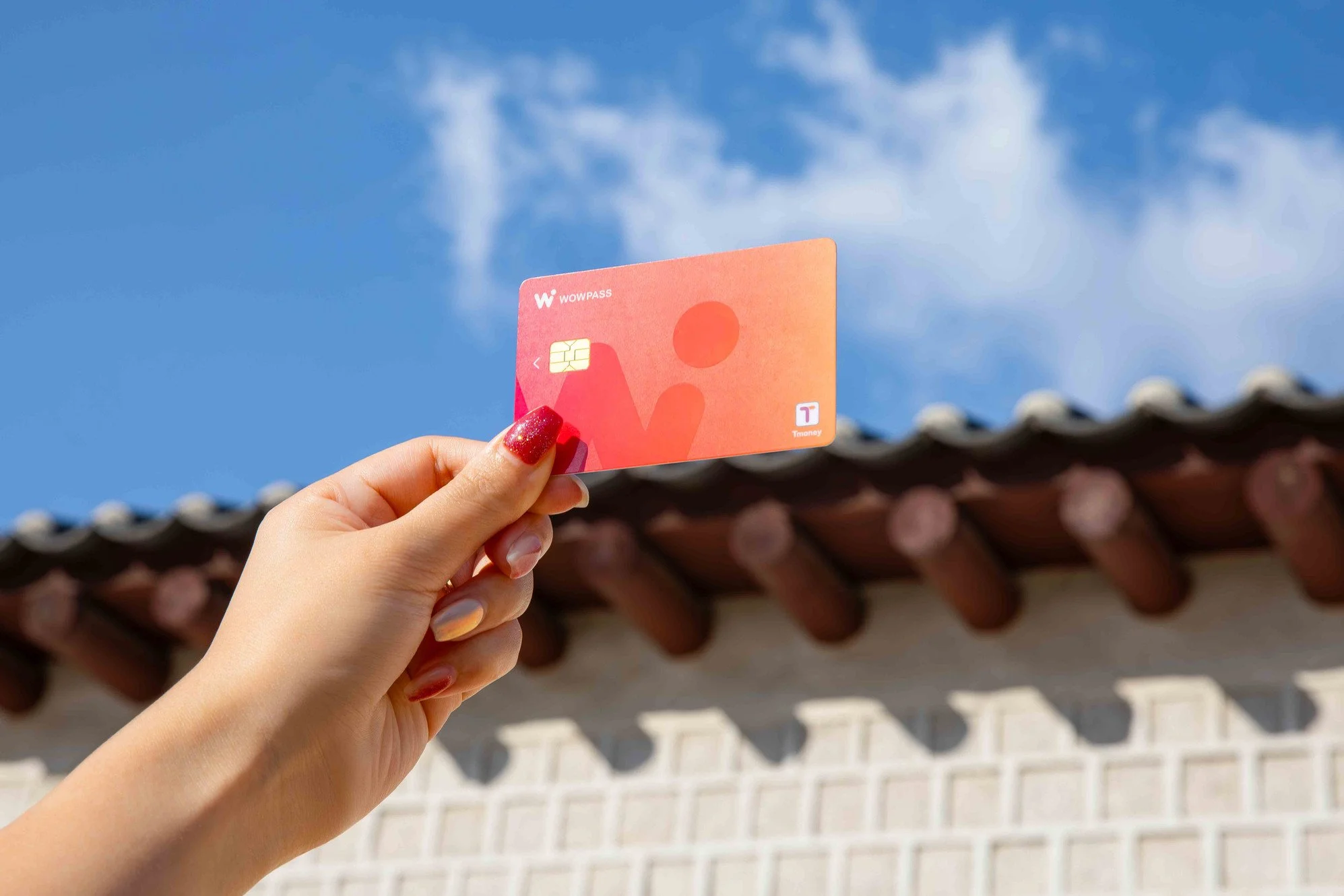
Credits: Wowpass
The WOWPASS card is a foreign-traveller-oriented all-in-one prepaid card introduced in Korea. It allows you to top up using multiple foreign currencies, use it as a transit card (via T-money function) and also for general payment in many offline shops.
Key features:
Top-up in 16 currencies, convert to KRW within the card.
Use as a debit-style card in offline stores (not just transport) wherever accepted.
Works in public transportation (bus, subway, taxi) via T-money compatibility.
Has app support: check balance, manage funds, etc.
Some refund/withdrawal options for leftover KRW.
T-money Card
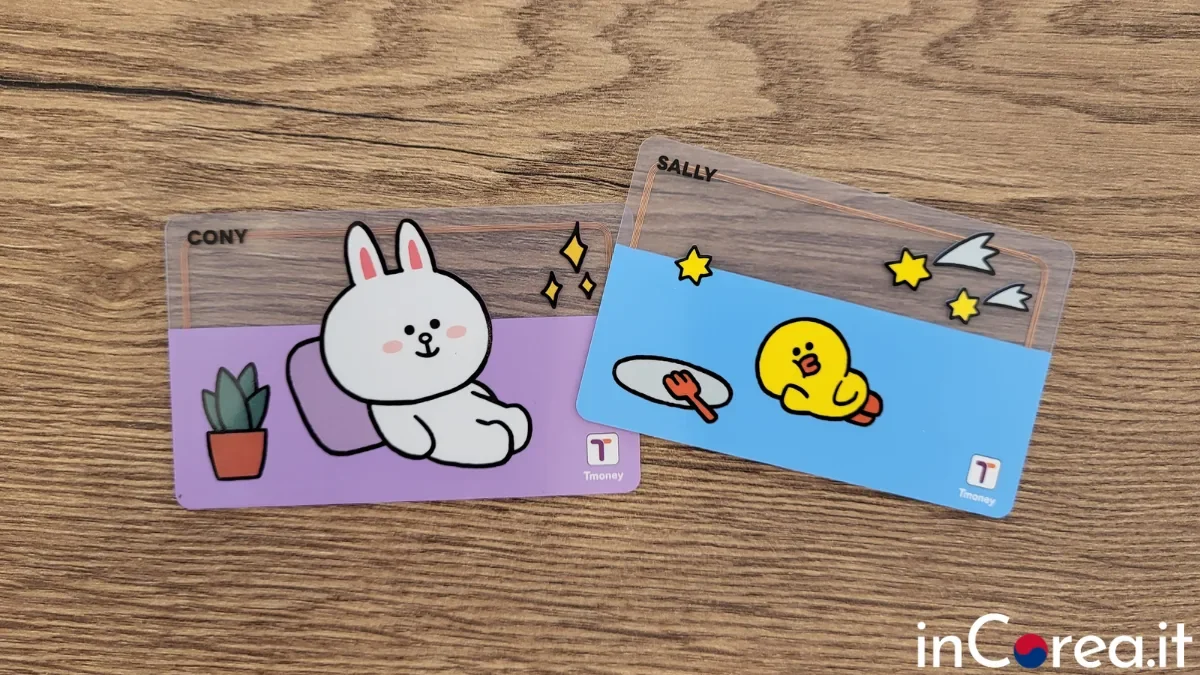
Credits: InCorea.it
T-money is perhaps the most well-known transportation card system in South Korea. It’s accepted across buses, subways, taxis, convenience stores and many affiliated retailers.
Key points:
You purchase a card in a convenience store (typically 3,000-5,000 KRW) and top it up with KRW at convenience stores, kiosks or subway stations.
Tap to ride public transport, and you can also use it as payment at shops displaying the logo.
Works all over Korea (not just Seoul) in many cities and on many transport modes.
Climate Card
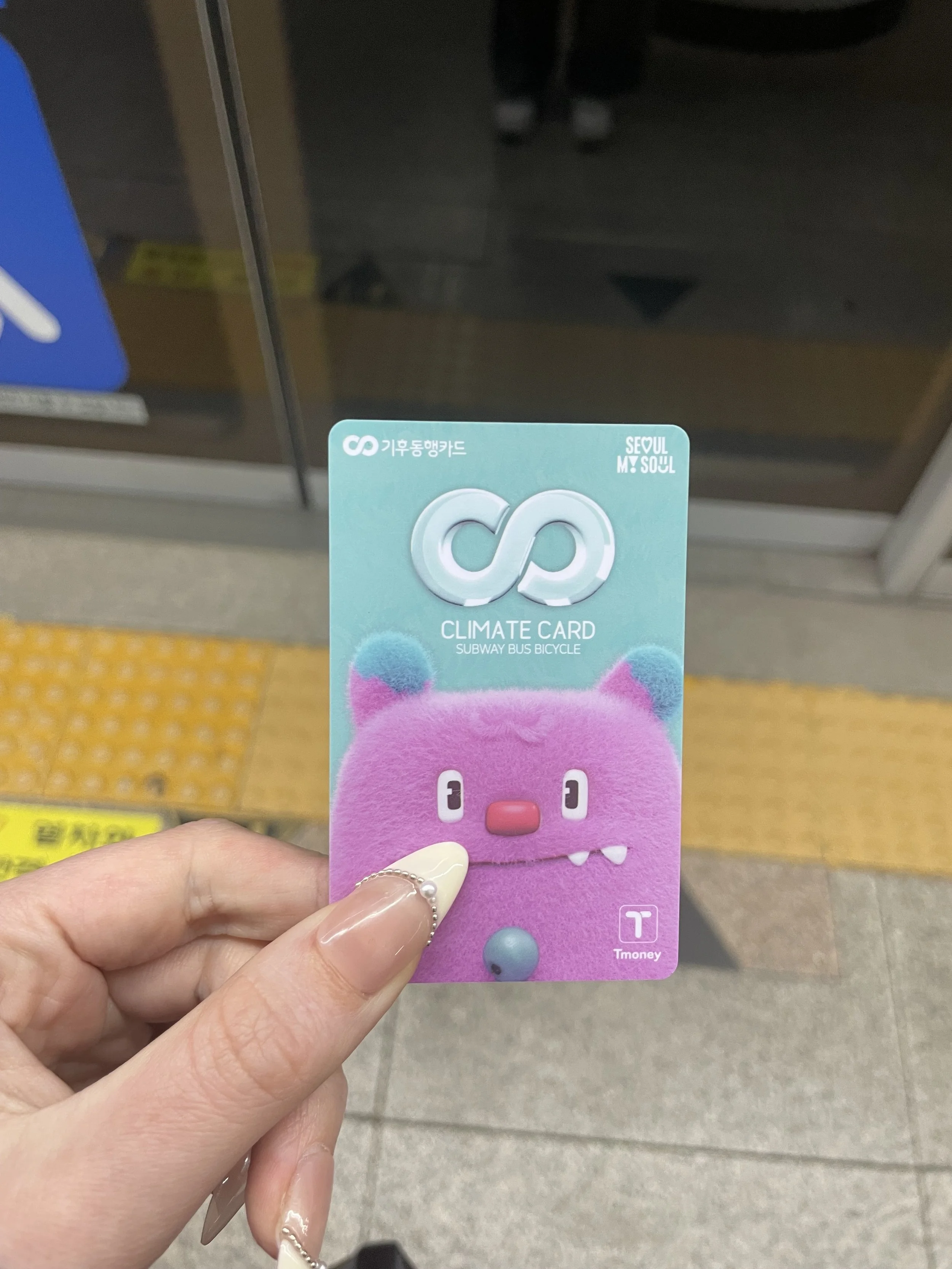
The Climate Card is a subscription-style transport pass introduced by the Seoul Metropolitan Government aimed at encouraging public transport use (hence “climate”) and simplifying unlimited use within its coverage area.
Key features:
Fixed fee for unlimited rides on Seoul-area subway lines, city buses licensed by Seoul, and Seoul bike-share (Ttareungi) during the validity period.
Available for tourists/visitors and residents, for durations such as 1 day, several days, up to 30 days.
Important: Coverage is more limited than all-Korea; mainly Seoul area plus specific lines. Some lines (private lines, airport buses) may not be included.
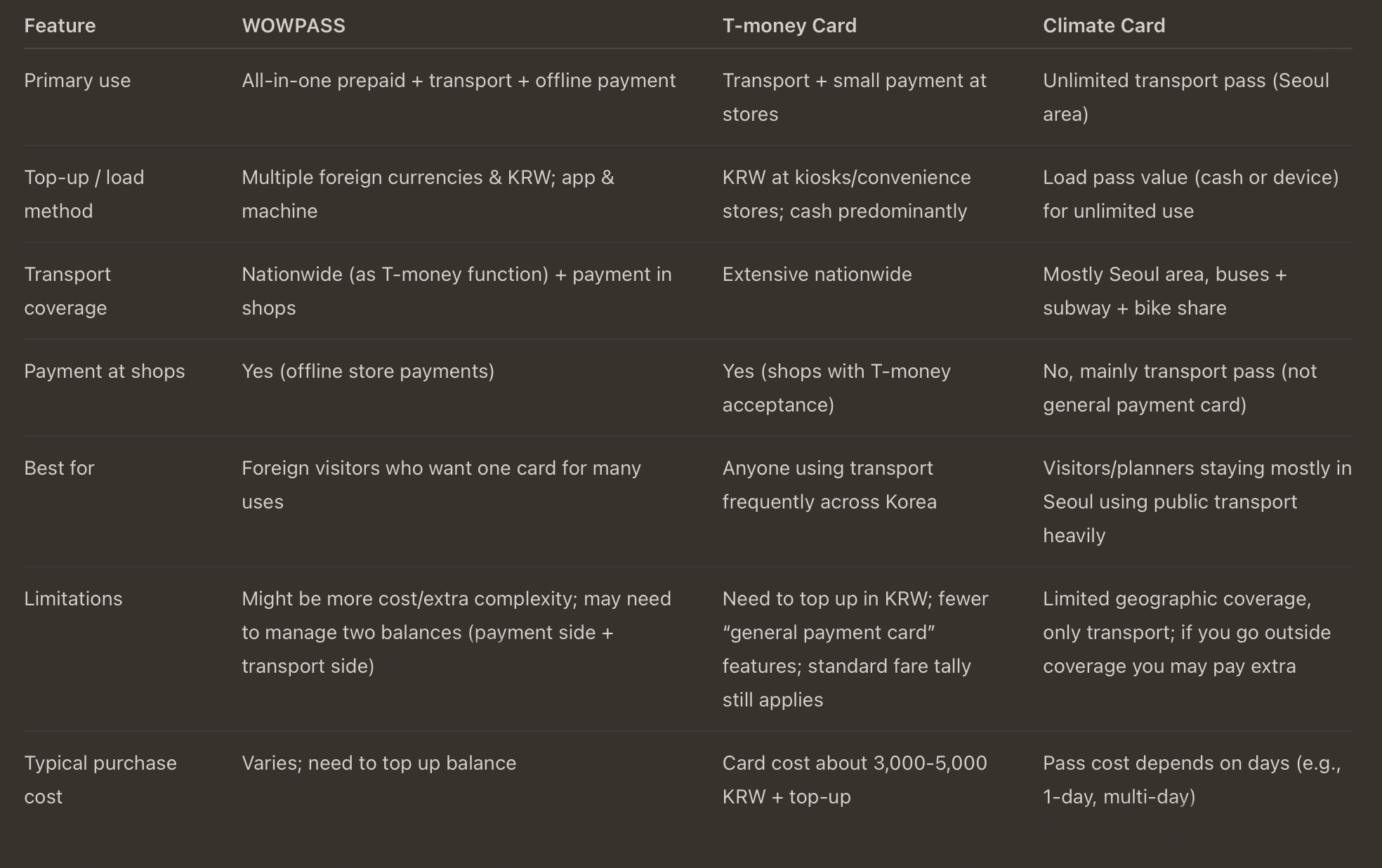
2. Feature Comparison Table
3. When to choose which card?
Choose WOWPASS if:
You are a foreign visitor with many payment needs beyond just transport (shops, cafes, restaurants) and you want a card you can load with your home currency.
You want fewer separate cards and prefer an “all-in-one” travel card.
You might travel in Korea but want the convenience of having both payment and transport that you can manage in one app.
Example: “If your own international bank card doesn’t cover everything or you face acceptance issues, WOWPASS could be a backup.” > “Wow pass basically saved me”
You want to send money to another WOWPASS user or transfer money to a Korean Bankaccount
Choose T-money Card if:
Your main use is public transportation (bus, subway, taxi) across various cities in Korea.
You are comfortable topping up with KRW and just want a card you tap for rides and small payments.
You prefer the simplest and most widely accepted option for transport and convenience store/shop micropayments.
Choose Climate Card if:
You will stay mostly in Seoul and will make many transport rides (subway + bus + bike) per day such that an unlimited-ride pass becomes cost-effective.
Your itinerary is more “urban sightseeing / commuting” rather than hopping across multiple regions.
You accept that the pass covers a fairly limited geographic area and transport types.
4. Practical Tips & Things to Watch
Topping up: With T-money you often need KRW cash (especially initial top-up) at kiosks/convenience stores.
With WOWPASS you can top up foreign currency and convert to KRW, which can be more convenient but you might face exchange rate/fees.
Coverage: If you plan to travel beyond Seoul (Busan, Jeju, intercity trains) then T-money or WOWPASS (with T-money function) might be safer than the Climate Card.
Unlimited vs per-ride: If you ride many times a day (e.g., more than 3–4 rides) then an unlimited pass like Climate Card may pay off. Otherwise, pay-as-you-go via T-money might be cheaper.
Eligibility: WOWPASS is for foreign visitors (not Korean nationals).
Refund/leftover balance: With WOWPASS you can withdraw leftover KRW via specific machines (fees apply) but there are caveats.
Backup: Always good to carry some cash or another card—some small shops, rural areas, or vending machines may not accept certain cards.
Coverage nuance: Some lines in the Seoul area are excluded from the Climate Card (e.g., private lines, airport buses) so check your route.
5. Which card is best?
There’s no one-size-fits-all answer. It depends on your travel style, duration, and coverage requirements:
If you’re staying ≤ Seoul area, using public transport heavily, and want simplicity → Climate Card might be the best value.
If you’re traveling across cities, want flexibility, and plan to make many one-off trips → T-money Card is likely the easiest and most reliable.
If you want an “all-in-one” travel/payment card, maybe your international card has limitations, or you want to manage everything in one app → WOWPASS could be the premium option.
In many cases, travellers pick two cards: e.g., T-money for transport + their regular credit/debit card for payments; or WOWPASS for everything.
7. Summary
In short:
T-money Card = the simplest, most widely-used transport card across many Korean cities: great for flexibility and ease.
WOWPASS = premium “everything-in-one” card aimed at foreign visitors who want to combine transit + shop payments + currency conversion in one card.
Climate Card = value-focused unlimited-ride pass, best suited for heavy transport users in the Seoul area for a set period.
Pick based on how you travel: city vs multi-city, heavy rides vs few rides, payment needs beyond transport, convenience of topping up, and your backup plan.