
Faces of Korean Won: The National Heroes Featured on Korea's Currency
Have you ever questioned about the faces of whom you see on the banknotes in your wallet when you come to Korea? The bills of Korean Won have interesting narrations of the great heroes of the nation. Every denomination has the figure of the past that influenced Korean culture, education and society. The knowledge of these icons gives the visitors a distinctive insight into what is important to Korea.
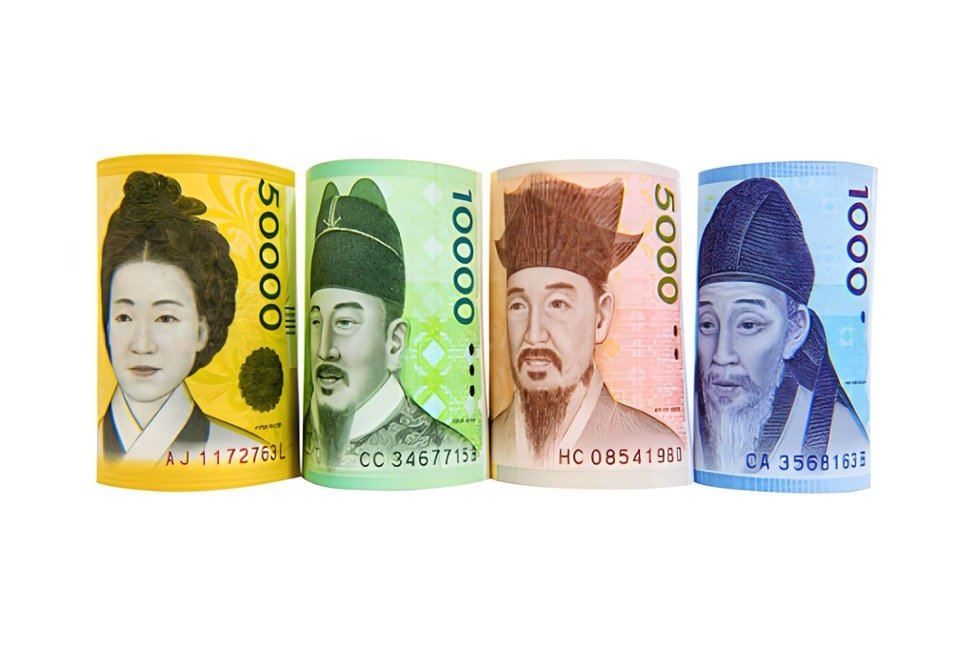
Korean Won currency system consists of four major banknotes namely 1,000, 5,000, 10,000 and 50,000 won. These are not just general figures of history. They are the symbol of the intellectual tradition of Korea, the quality of art, and creativity. It is something that you should know when you travel to Korea.
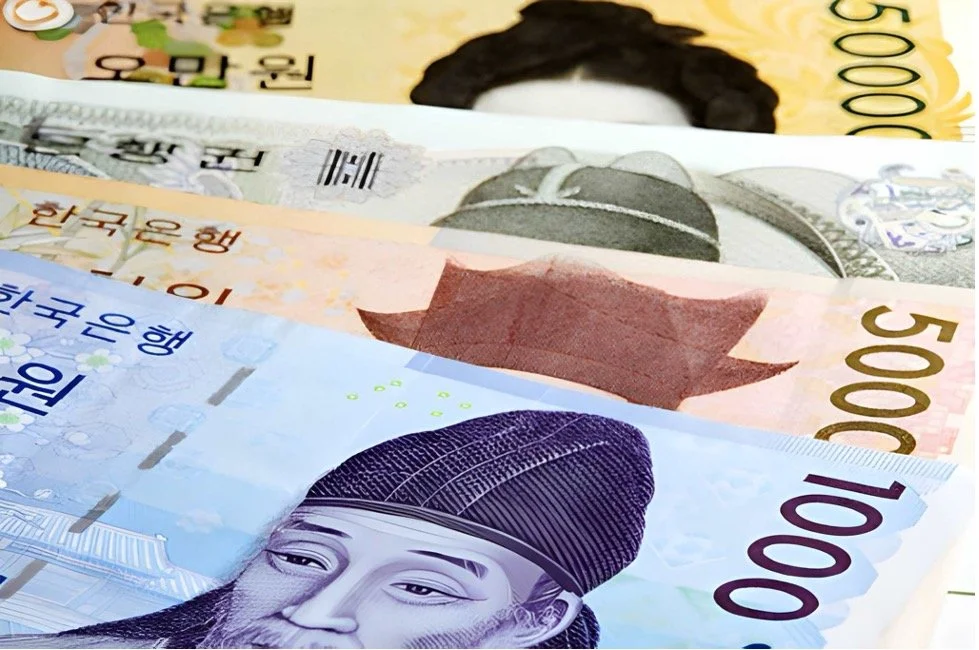
The 1,000 Won Note: Yi Hwang
The face of one of the most respected philosophers of Korea is printed on the smallest denomination in regular circulation. This note of blue color is the embodiment of Korean intellectual tradition. Let us consider who was this great scholar.
A Scholar Who Shaped Korean Philosophy
Yi Hwang features on the 1000 Korean Won. He was a Confucian scholar who lived between 1501 and 1570 in Joseon Dynasty. He dedicated his life to the study and teaching of the Neo-Confucian philosophy.
His teachings had effects on the educational history of Korea. Yi Hwang was of the view of cultivating morality by learning continuously. He created so many academies in Korea. The back of this banknote features his most renowned school Dosan Seowon. He established private academies in Korea and composed more than dozens of academic books on Neo-Confucian philosophy.
Why He Matters Today
The modern Korean values are influenced by Hwang Yi philosophy. His focus on education is the reason behind a high level of literacy in Korea which is amongst the highest in the world. Additionally, his emphasis on ethical leadership appeals to the modern Korean society.
The 5,000 Won Note: Yi I (Yulgok)
The leading denomination of Korean money has a brilliant scholar-statesman on it. This is a red-colored note. The position of Yi I is an indication of his monumental works in Korean philosophy.
The Philosopher Statesman
Yi I or Yulgok is the person featured on the 5,000 Korean Won bill. He lived from 1536 to 1584. Being the son of Shin Saimdang, he perpetuated his mother in her intellectual work.
Yi I was an excellent philosopher and a government official. He passed nine civil service exams with the highest score each time. This was an unmatched feat that made him popular countrywide. His political reforms were meant to establish a more just society.
Practical Philosophy
In contrast to other scholars, Yi I was interested in the implementation of philosophy. In his opinion, ideas ought to enrich the daily lives of people. Thus, he promoted military reforms, economic and educational reforms.
On the backside of the note take a close look you will see a watermelon with silent insects. This image was created by the mother of Yi I, Shin Saimdang herself (the lady on the 50,000 Korean Won bill). Her artwork is displayed at Seoul Museum and is highly viewed as her paintings glisten with vitality and with fine details and alteration of the season (this was distinctive to the 16th century).
The 10,000 Won Note: King Sejong the Great
This is the most widespread of the denominations and it is green in color. Most ATMs dispense this note. The inclusion of the name of King Sejong in this widely circulated bill card keeps his legacy in the minds of every Korean.
The Inventor King
The most widely used note is the 10,000 Korean Won which depicts King Sejong. He ruled from 1418 to 1450. This reign is said to be the golden age in Korean history.
The best work King Sejong did was to make Hangeul, the Korean alphabet. He came up with this type of writing to enable common people to read and write. Prior to the Hangeul, only the aristocrats who were rich could acquire knowledge of complex Chinese characters. He developed Hangeul in 1443 that provided literacy to all Koreans and also developed Hall of Worthies, a royal research center.
A Legacy of Innovation
Besides Hangeul, King Sejong promoted science, technology and music. He favored research in astronomy and invented rain gauges. His government came up with superior agricultural skills. These inventions made life much better to the ordinary people.
The image on the background is the symbol of one of the biggest scientific findings in the Korean history, Honcheonui, Astrometer. Interestingly, the founder of Honcheonui, Jang Young Sil, was born a servant in the government office. But thanks to the generosity of King Sejong, he could study in China and turned out to be the greatest scientist of Joseon Dynasty and was awarded the exemption of slavery.
The 50,000 Won Note: Shin Saimdang
This banknote is yellow and symbolizes a historic point in the Korean currency. In the year 2009, Korea commemorated its first lady on its national currency. The inclusion of Shin Saimdang raised the issues of gender equality in the country.
Korea's Renaissance Woman
Shin Saimdang features on the Korean 50,000 Won bill. In 2009, she was the first woman to feature on Korean currency. She was a calligrapher, writer, and artist who lived between 1504 and 1551.
She had some extraordinary artistic talents. Shin Saimdang was an artist in painting, especially insects, plants, and landscape paintings. She was also a good calligrapher and a poet. Her magnificent artwork is currently exhibited in the Korean museums.
Breaking Gender Barriers
The fact that she is featured in money was a big step. It recognized the role of women in the Korean culture. Moreover, Shin Saimdang was a mother of Yi I, a second person on Korean Won banknotes. This mother-son heritage proves the significance of the family education within the Korean culture.
On the back on the banknote are two vertical paintings of Joseon Dynasty: 'Wolmaedo' and Pungjugdo'.
What Korean Won Reveals About National Values
The currency preferences indicate the most valued things in societies. The Korean Won banknotes demonstrate the priorities of Korea as the historical figures are chosen carefully. These were not accidental, or embellishing decisions.
Education as Foundation
The Korean Won currency options are very eloquent. The three out of the four figures were distinguished scholars. This portrays the highly regarded value of education and intellectual success in Korea. As a result, contemporary Korea spends much money on education, on every level.
Innovation and Progress
It does not happen by chance that King Sejong appears on the most widely used banknote. His invention of Hangeul made literacy be democratic. The innovation itself is an example of Korean values of innovation to serve the people.
Family and Legacy
Both Shin Saimdang and her son Yi I highlight family ties. The Korean culture places emphasis on filial piety and family education. These banknotes glorify the knowledge transfer between generations.
Practical Tips for Handling Korean Won
It may seem to be a daunting task going through the foreign currency system. Nonetheless, knowing denominations of Korean Won can assist the traveler to manage money without any fear. These realistic tips will help you to get through your Korean trip a lot easier.
Identifying Denominations Quickly
The sizes and colors of the Korean Won are different. The 1,000 won is blue, 5,000 won is red, 10,000 won is green and 50,000 won is yellow. Larger denominations are physically bigger. The design assists all people, including the visually impaired users, to identify bills easily.
Common Denominations for Travelers
The 10,000 and 5,000 won notes are used in most of the daily transactions. These denominations are usually given out by ATMs. The note of 50,000 won will be worth something (around $35-$37 USD). It can be hard to make change in small shops.
Digital Payment Culture
Korea today is very welcoming to digital payments. Credit cards are accepted almost everywhere. KakaoPay and other mobile payment apps control the transactions. Nonetheless, cash is still preferred in the old markets and small restaurants. Thus, it is important that travelers have some Korean Won.
Conclusion
Korean Won currency with faces tells the story of Korea with great minds. King Sejong made communication revolutionary. Shin Saimdang transcended gender boundaries through art. Yi I and Yi Hwang influenced generations of philosophical thought. These heroes symbolize values, which continue to characterize the Korean society up to date.
Knowing the Korean banknotes strengthens your understanding of the Korean culture in a better way. When you pick up these bills again, take a moment and reflect on the outstanding figures on them. Their works are still affecting the Korean education system, artistic practices as well as creativity. To travelers this knowledge changes ordinary currency into cultural artifacts which are worth studying.
Frequently Asked Questions (FAQs)
What is the most commonly used Korean Won denomination?
The most commonly used denomination that is used in every day transactions is the 10,000 won note. This note is mainly dispensed through the ATMs. It is ideal in the majority of purchases such as meals, transportation and shopping.
Can I still use older Korean Won designs?
Yes, the conventional designs of banknotes are still valid legal tender. Bank of Korea has got currency designs that are updated periodically to enhance security. Nevertheless, even the old variants of Korean Won reserves do not lose their value with age.
Why was Shin Saimdang chosen for the 50,000 Won note?
Shin Saimdang is the symbol of excellence in the Korean art and the role of women in the culture. In 2009, her appointment reflected an appreciation of gender equality in Korea. She was a successful artist, calligrapher, and scholar with a great influence on the Korean culture.
Where can I exchange money for Korean Won in Korea?
It is possible to exchange currency at airports, banks, and authorized money exchange offices. Nevertheless, ATMs will have the best exchange rate. The majority of ATMs in Korea take overseas cards. Currency exchange kiosks are available in tourist areas but at less favorable rates.
Are coins also used in Korean Won currency?
Yes, Korean Won have coins in the denominations 10, 50, 100 and 500 won coins. There are the 1 and 5 won coins that no longer minted or circulated. Coins have national symbols, such as the Dabotap Pagoda and the turtle ship of Admiral Yi Sun-sin.