Seoul Metro - Mastering Seoul's Subway System
Your Guide to Seoul's Subway Network
Seoul's subway system is one of the largest and most efficient public transportation networks in the world. While it may look intimidating at first, the Seoul Metro app makes navigating it much easier.
Whether you're commuting to work, heading to class, or exploring tourist attractions, this app helps you travel with confidence.
What is the Seoul Metro App?
The Seoul Metro app is designed specifically for subway users. Unlike general navigation apps, it focuses entirely on helping passengers understand routes, transfers, and train schedules.
It provides detailed information for stations across Seoul and surrounding metropolitan areas.
Key Features
Interactive Subway Maps
View subway lines and station connections throughout the network.
Route Recommendations
Find the fastest route between two stations.
Transfer Information
Receive clear instructions for changing lines.
Fare Estimates
Calculate transportation costs before you travel.
How to Use the Seoul Metro App: A Step-by-Step Guide for Newcomers
Seoul's subway system is one of the easiest and most efficient ways to travel around the city. However, with more than 20 interconnected lines and hundreds of stations, it can feel overwhelming for first-time users. Here you find all the information you need for the subway lines.
The Seoul Metro app helps simplify your journey by providing route information, transfer guidance, and estimated travel times. This guide will walk you through the basics of using the app.
Step 1: Open the Route Search Feature
After opening the app, locate the route planner or route search menu.
This feature allows you to enter:
Your departure station
Your destination station
The app will then calculate the best available routes.
Tip
If you do not know the station name, search for a nearby landmark first using a navigation app such as Naver Map or Kakao Map.
Step 2: Enter Your Starting and Destination Station
Type the station where you are currently located and the station you want to visit.
For example:
Departure: Hongdae Station
Destination: Gangnam Station
The app will automatically generate route options.
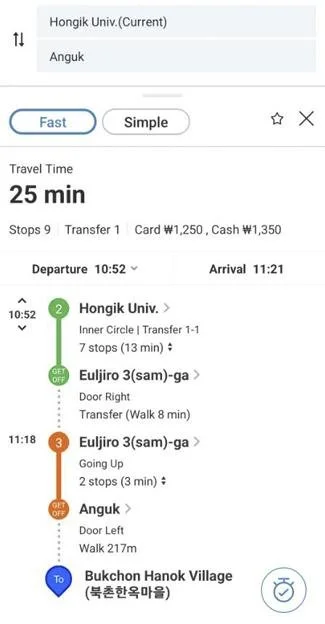
What You'll See
The results usually include:
Total travel time
Number of transfers
Number of stations
Estimated fare
Step 3: Compare Route Options
The fastest route is not always the best route.
Before choosing a route, consider:
Number of Transfers
A route with fewer transfers may be easier for beginners.
Walking Distance
Some transfers require a long walk between platforms.
Travel Time
During rush hour, a slightly longer route may be less crowded.
Accessibility
If you have luggage, elevators and escalators may influence your choice.
Step 4: Follow the Transfer Instructions
Many journeys require changing subway lines.
The app will tell you:
Which line to transfer to
Which station to transfer at
How many stops remain before your transfer
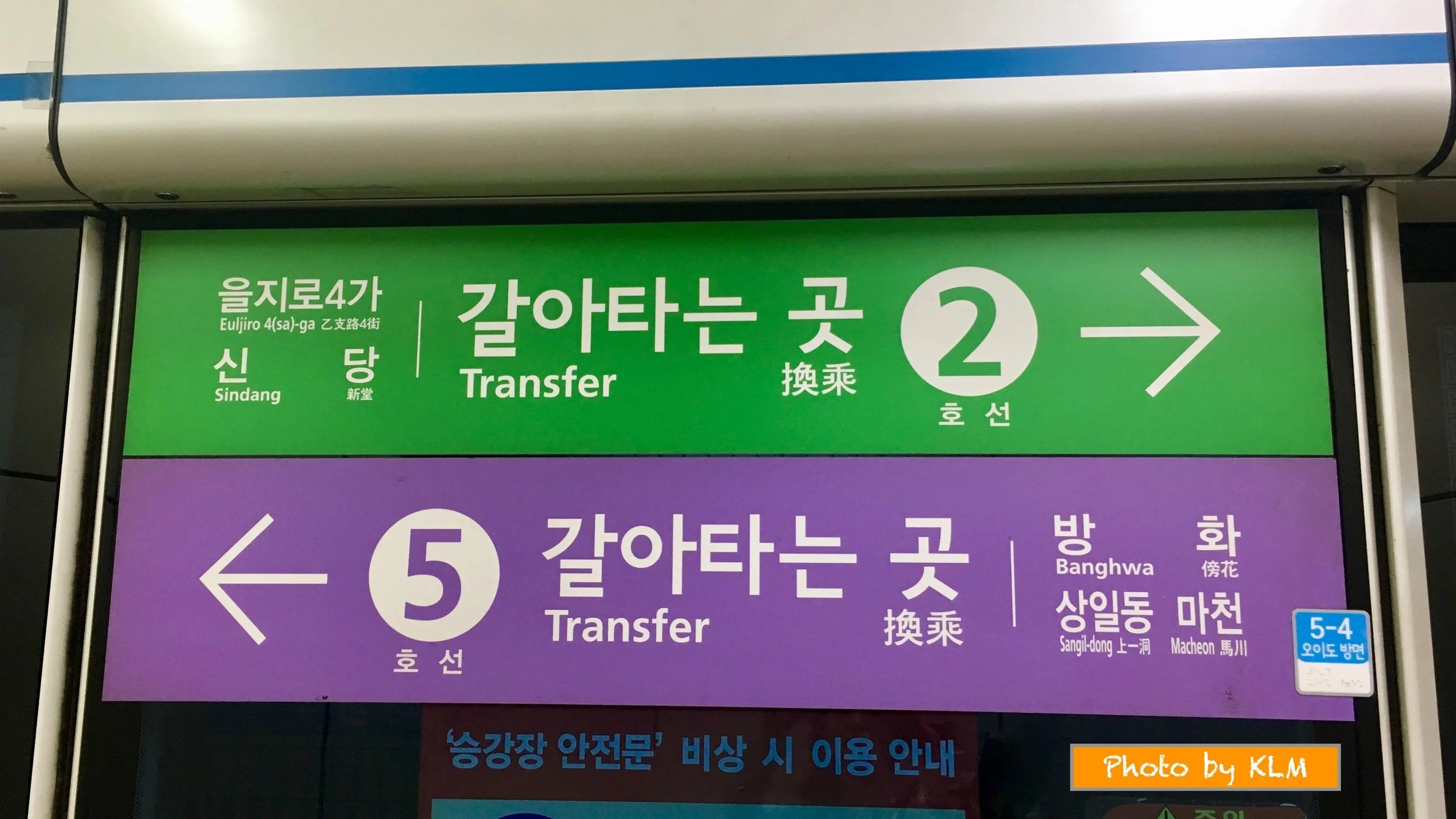
When you arrive at the transfer station, simply follow the signs displaying the line number and color shown in the app.
Tip
Pay close attention to the train's final destination. Trains on the same line may travel in opposite directions.
Step 5: Check Exit Information
Large stations in Seoul often have more than ten exits.
The app can help you determine which exit is closest to your destination.
This can save several minutes of walking, especially in busy areas such as:
Gangnam
Hongdae
Myeongdong
Jamsil
Tip
Always check the recommended exit before leaving the station.
Important Things to Consider
Rush Hour Can Be Very Busy
Peak commuting hours are generally:
7:00 AM – 9:00 AM
5:30 PM – 7:30 PM
If possible, avoid these times when traveling with luggage.
Keep Your T-Money Card Ready
Before entering the station, make sure your T-money card has sufficient balance.
Running out of balance during your journey can cause delays at the fare gates.
Apps such as BucaCheck can help you monitor your card balance.
Last Trains Matter
Unlike some cities with 24-hour transportation, Seoul's subway system closes at night.
Always check:
Last train times
Final transfer availability
Missing the last train may require taking a taxi or night bus.